Kererū Creek
- Taranaki
- Food Forest
- Permaculture
- Vegetable Garden
- NZ Native Garden
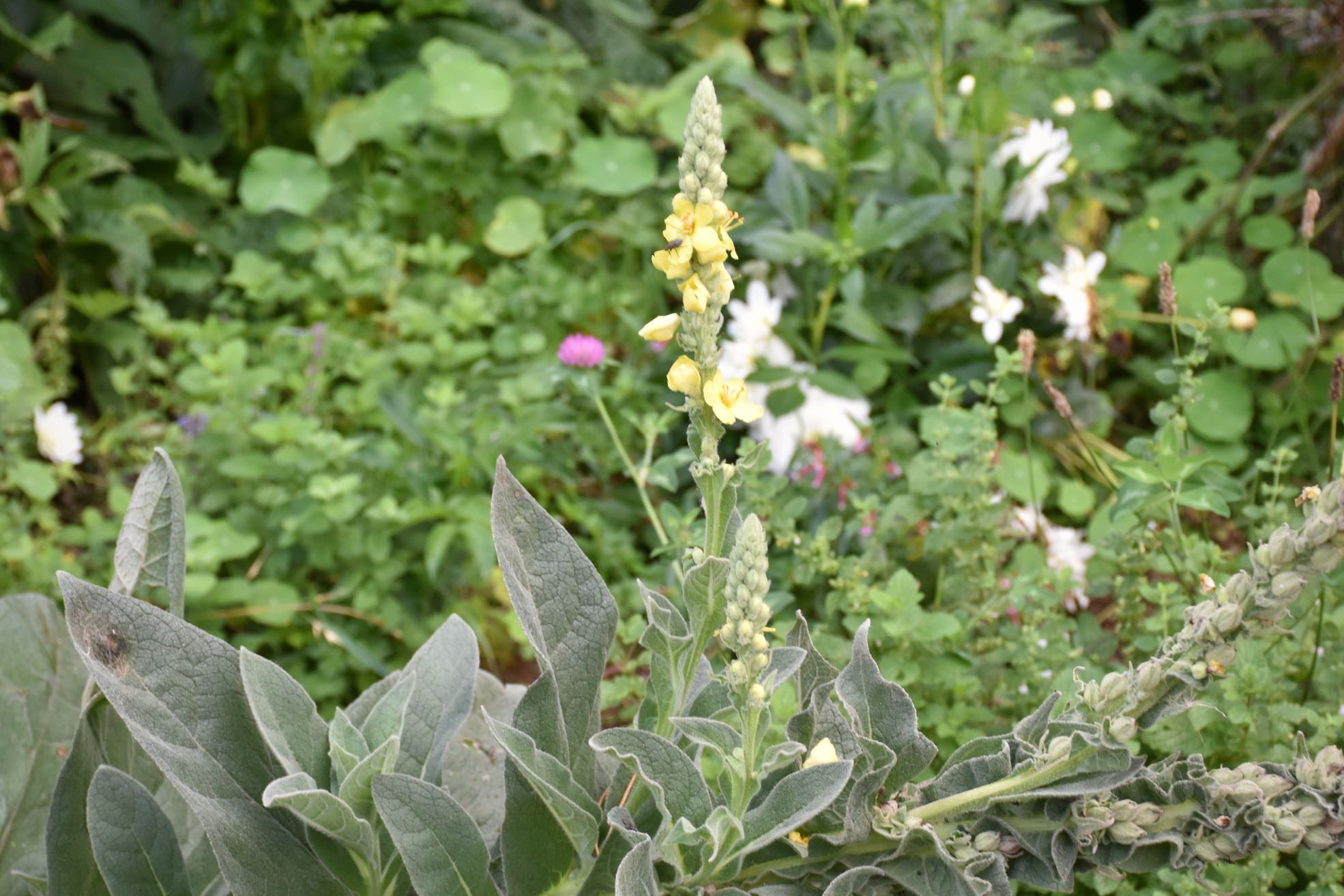
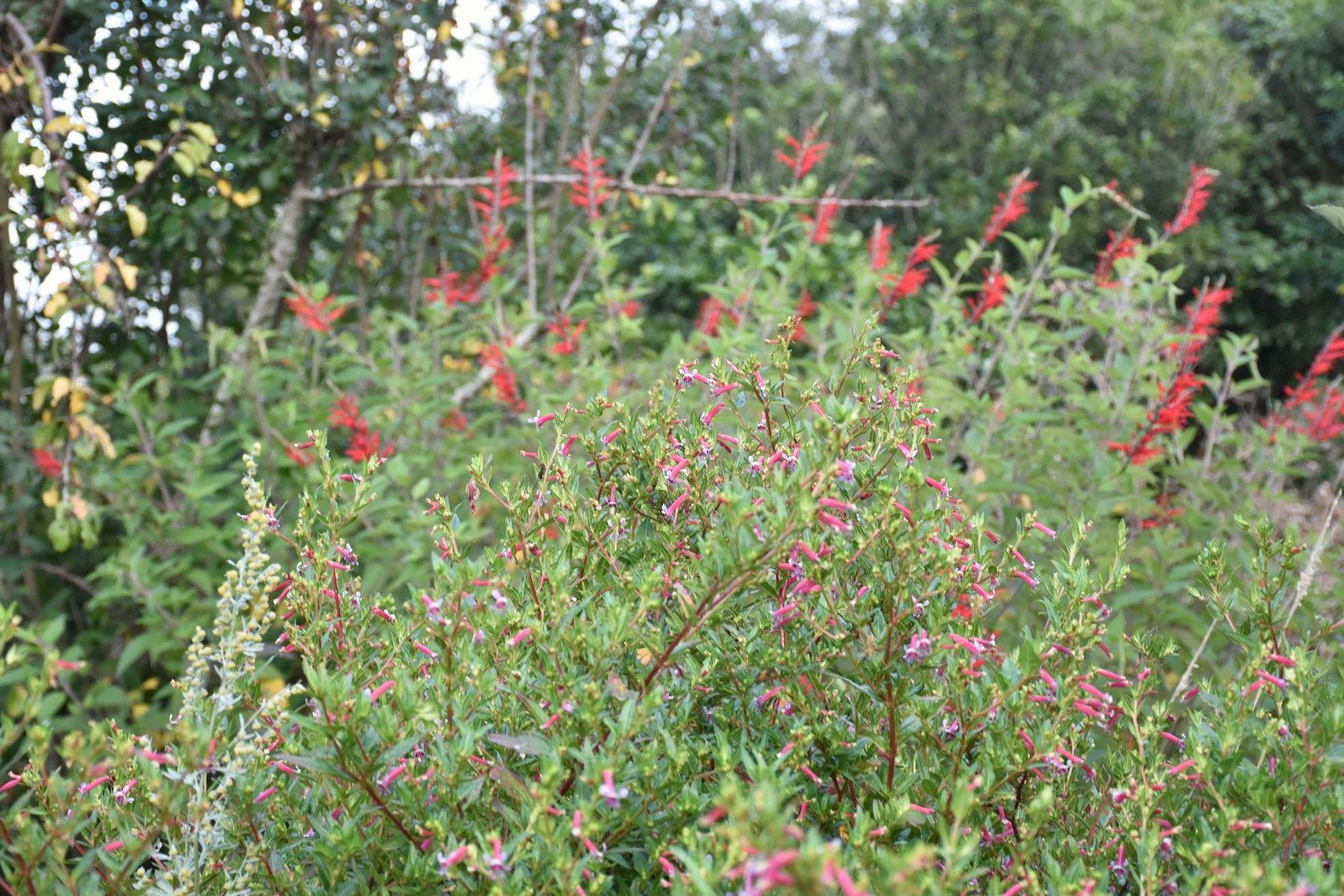
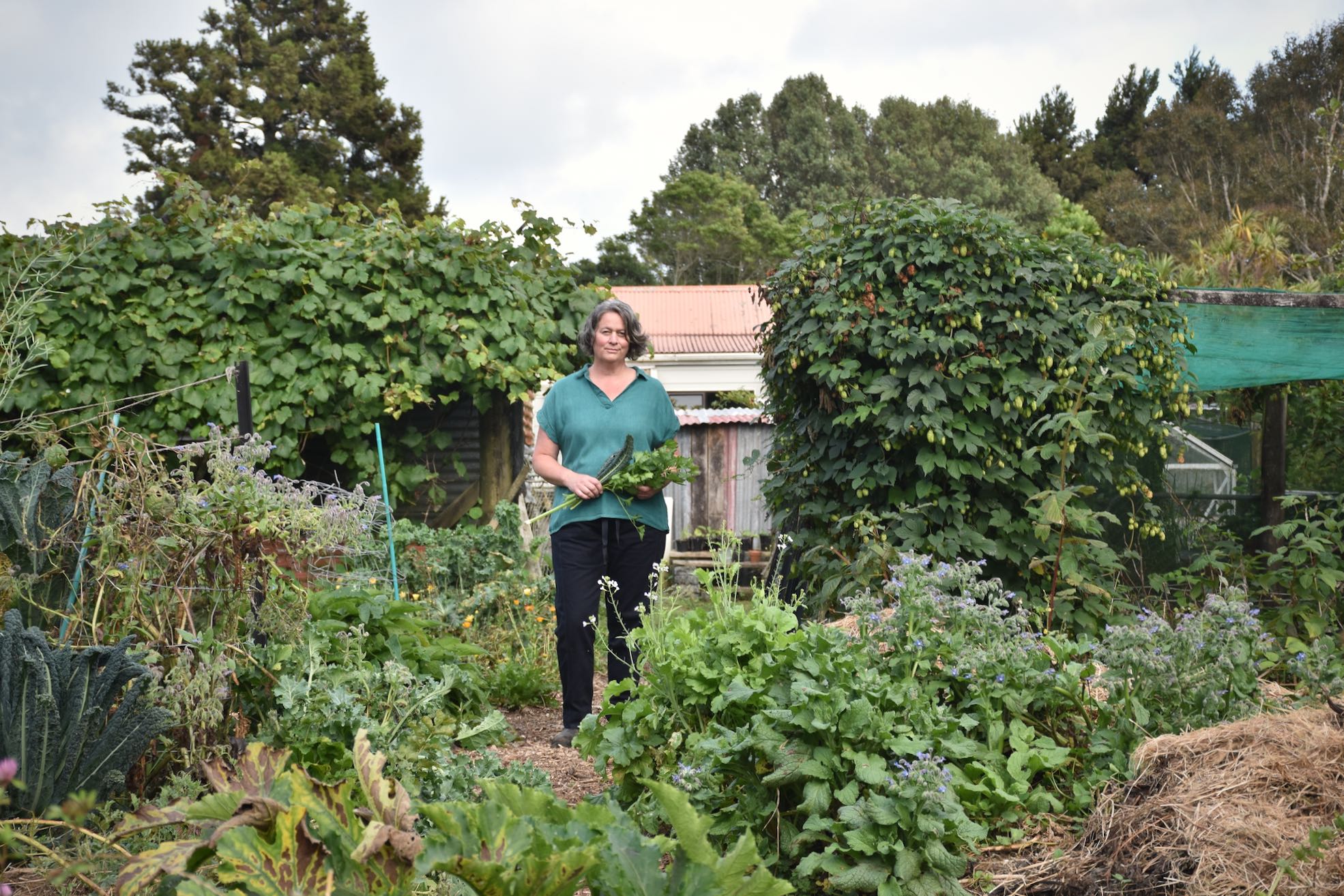
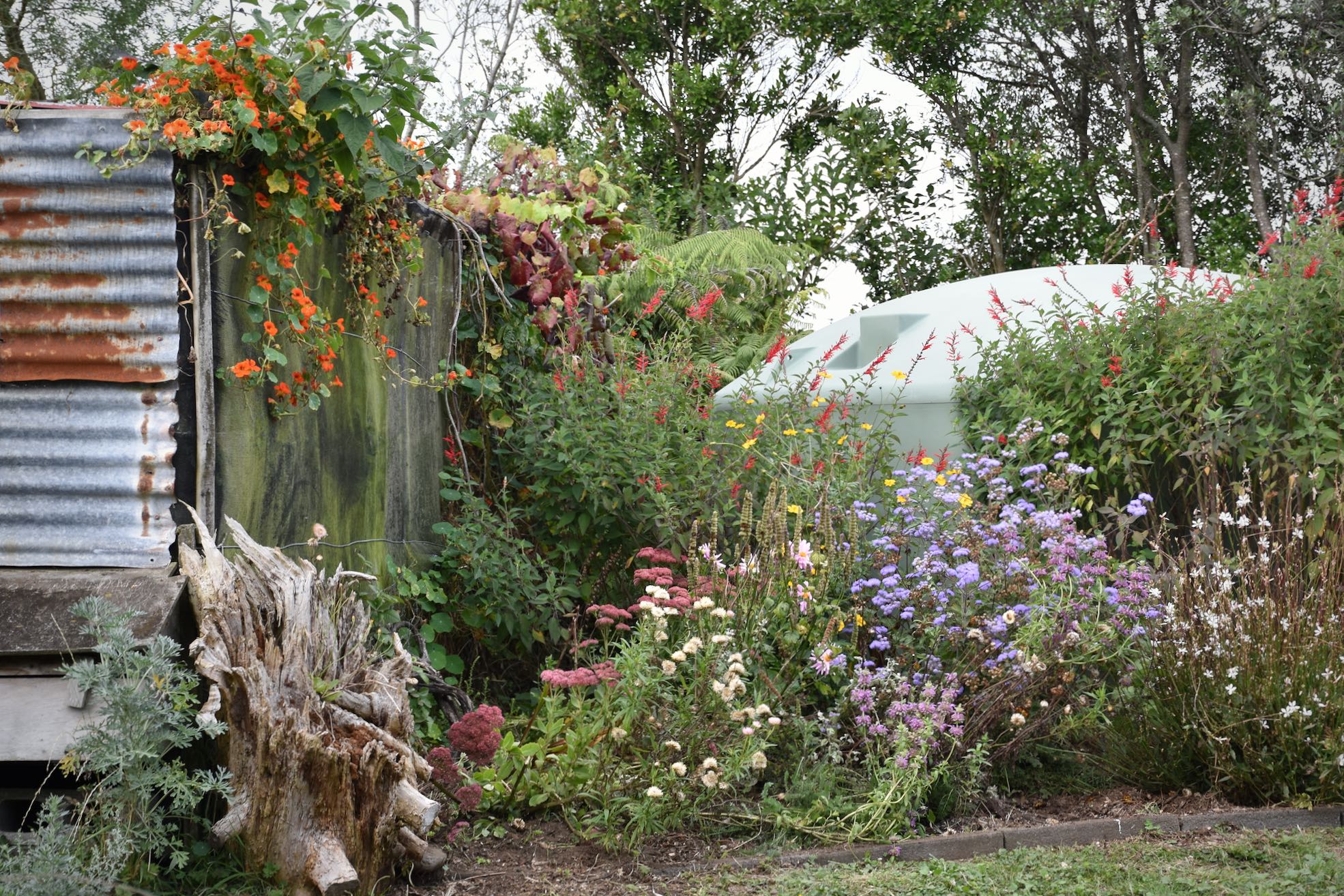
When Lisa and Tom arrived nine years ago, they inherited a formal garden that had relied heavily on chemical inputs. The couple spent the first two years observing the land—studying the prevailing winds and light—before adopting a philosophy of "wild abundance," where the garden finds its own ecological balance.
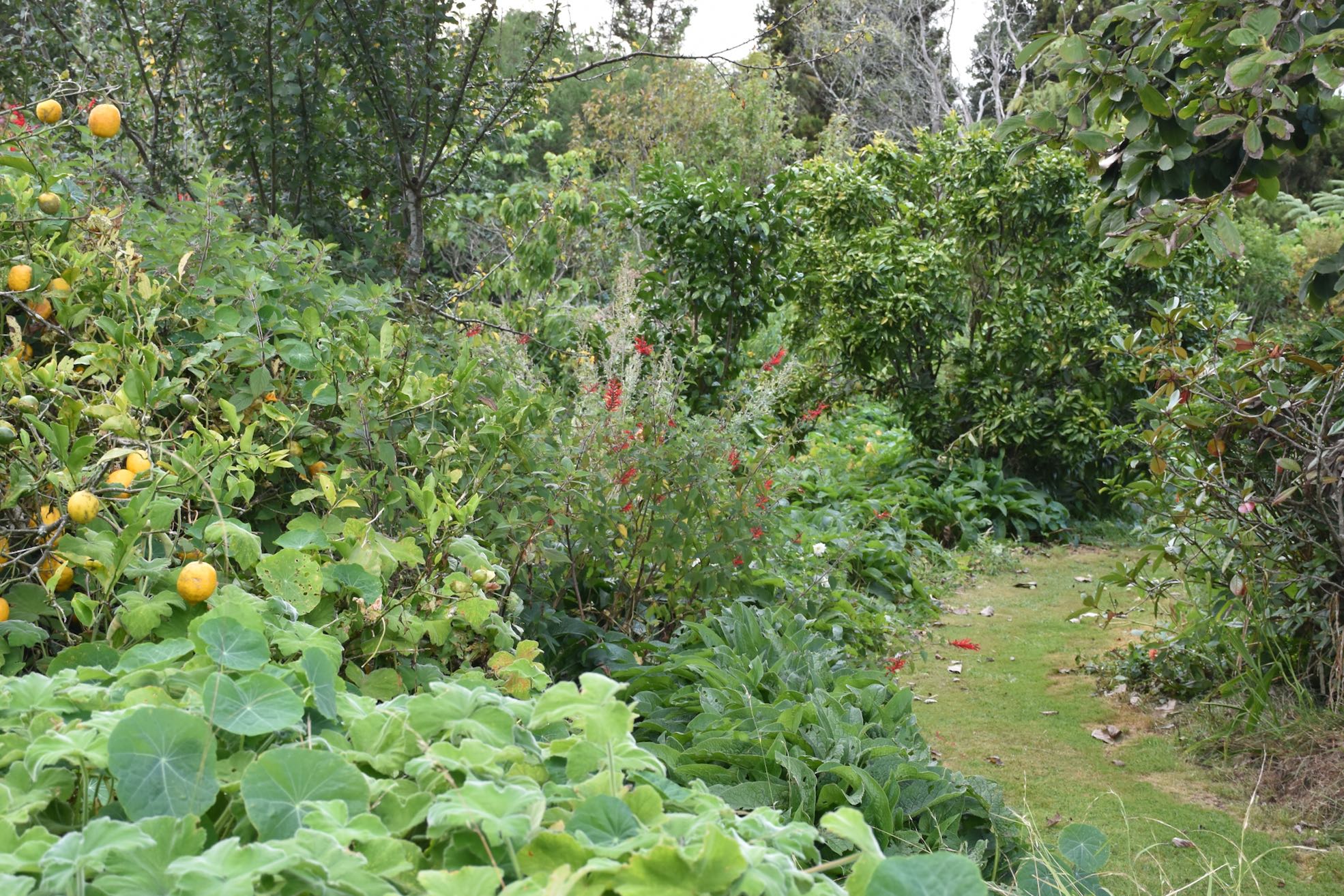
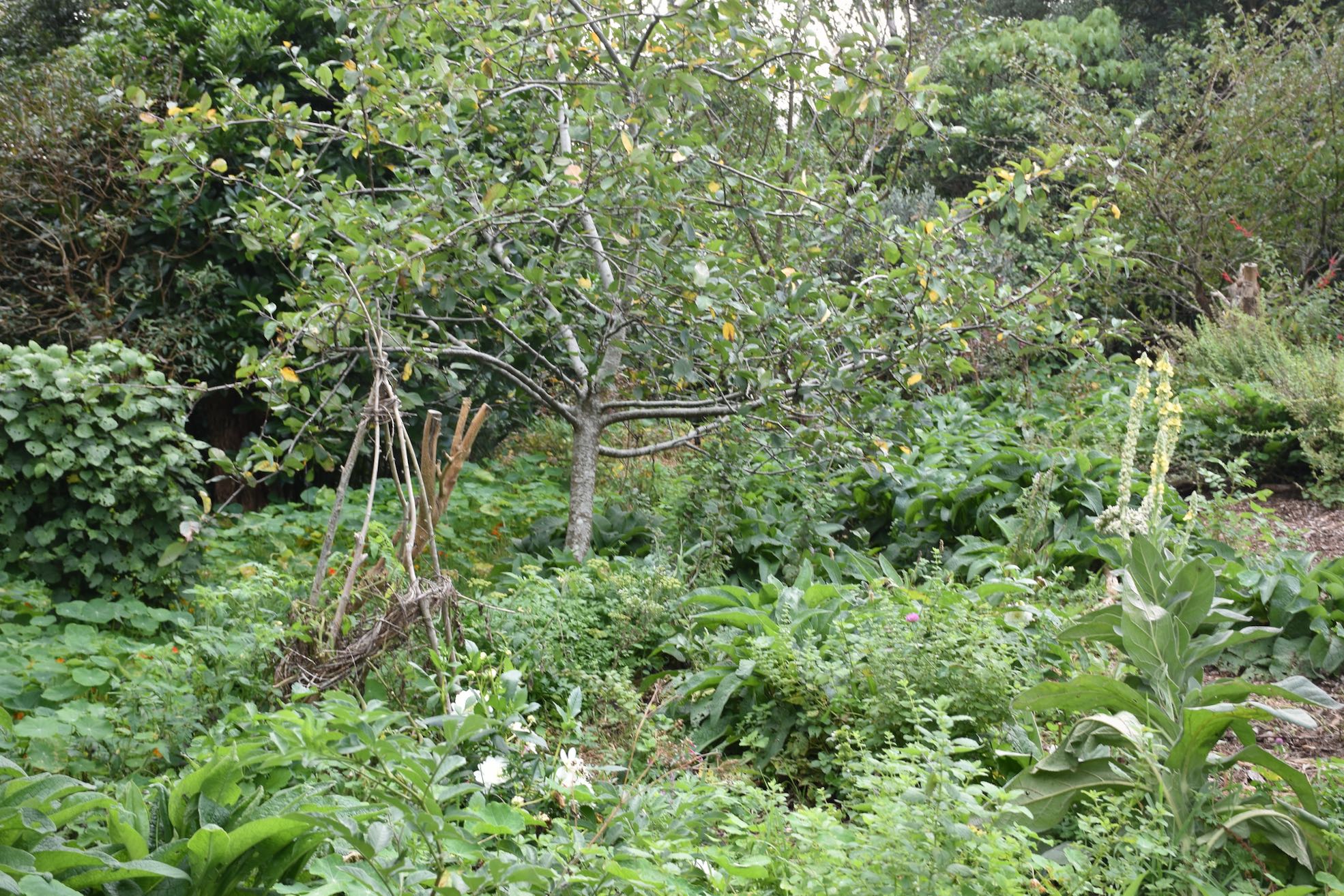
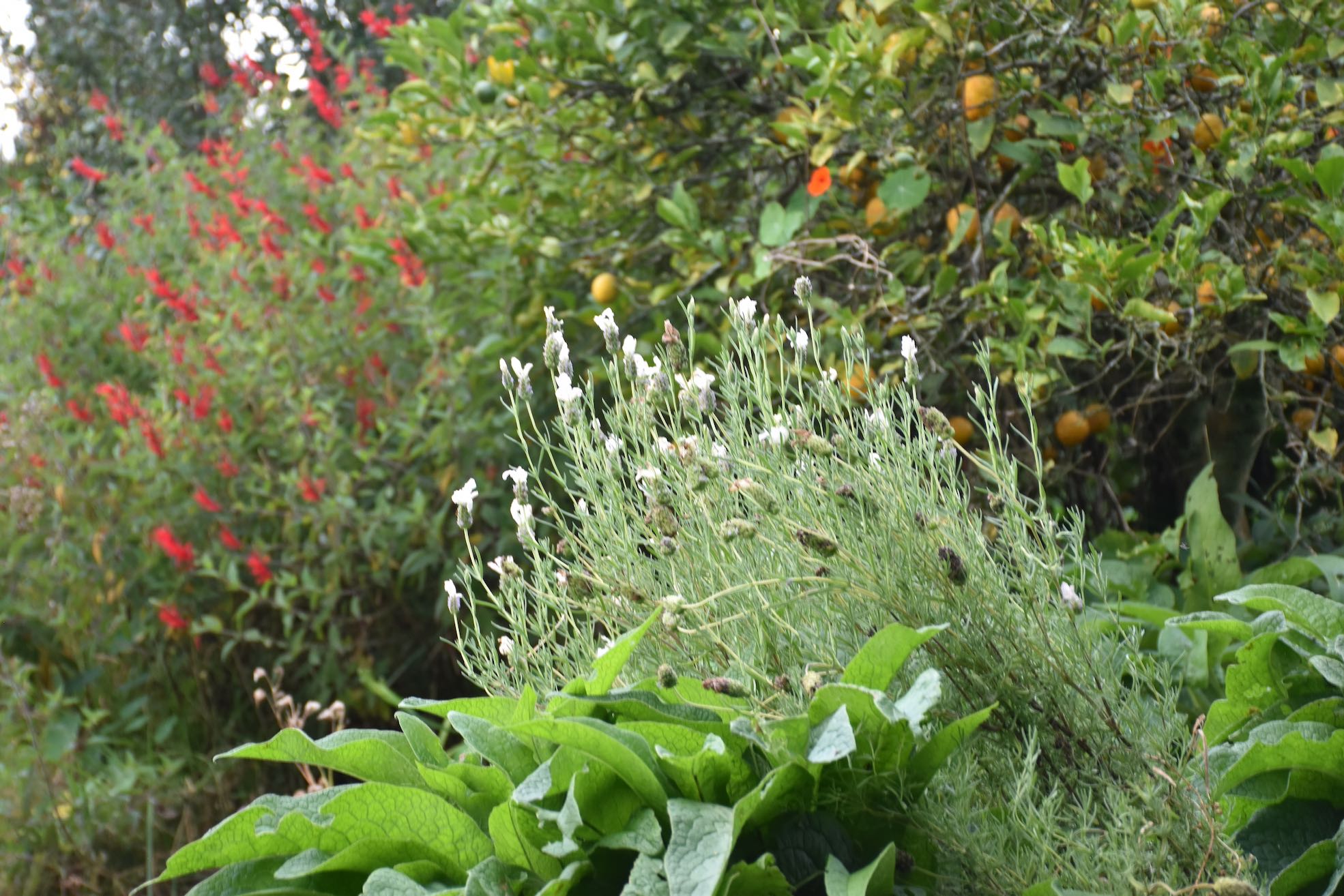
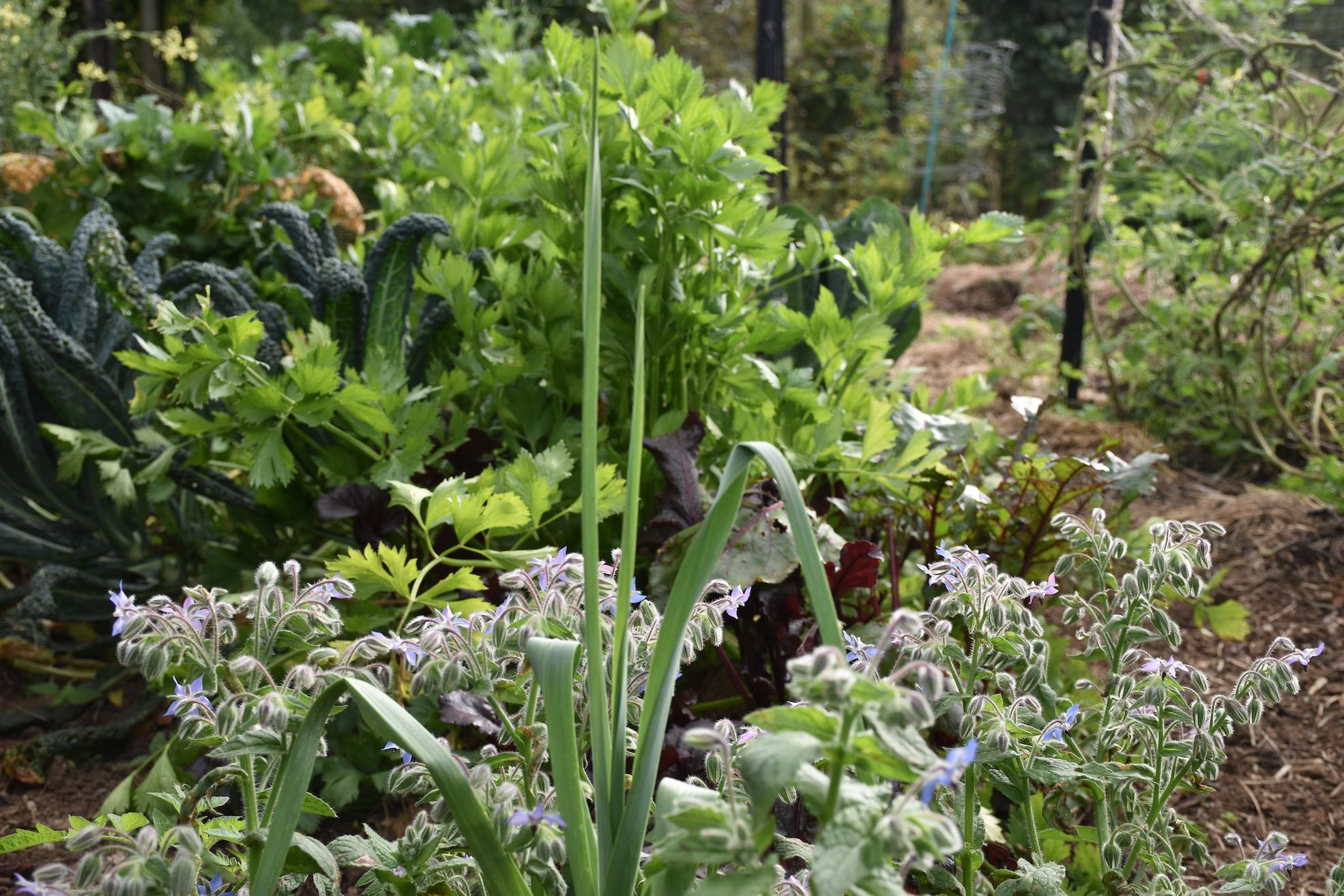
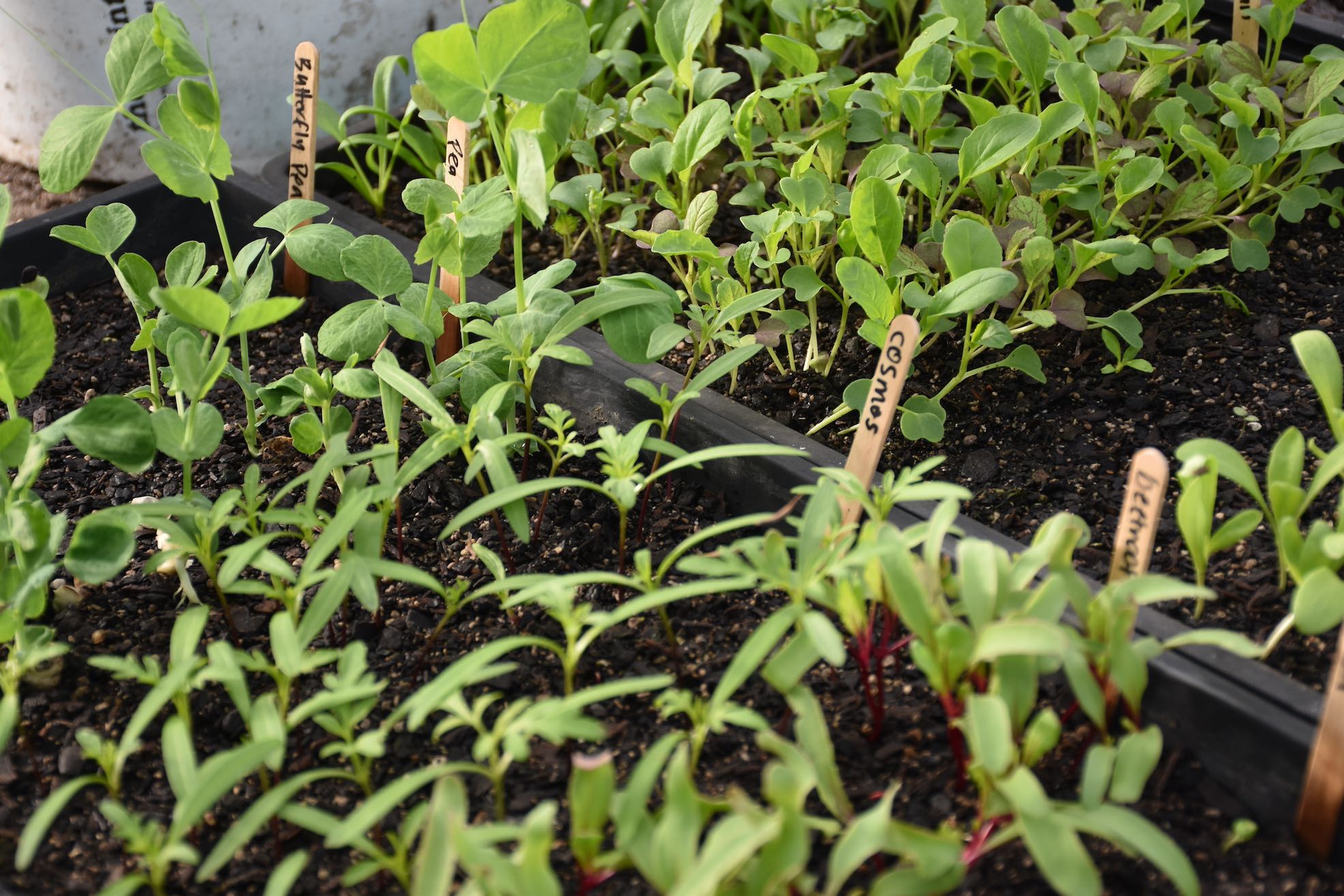
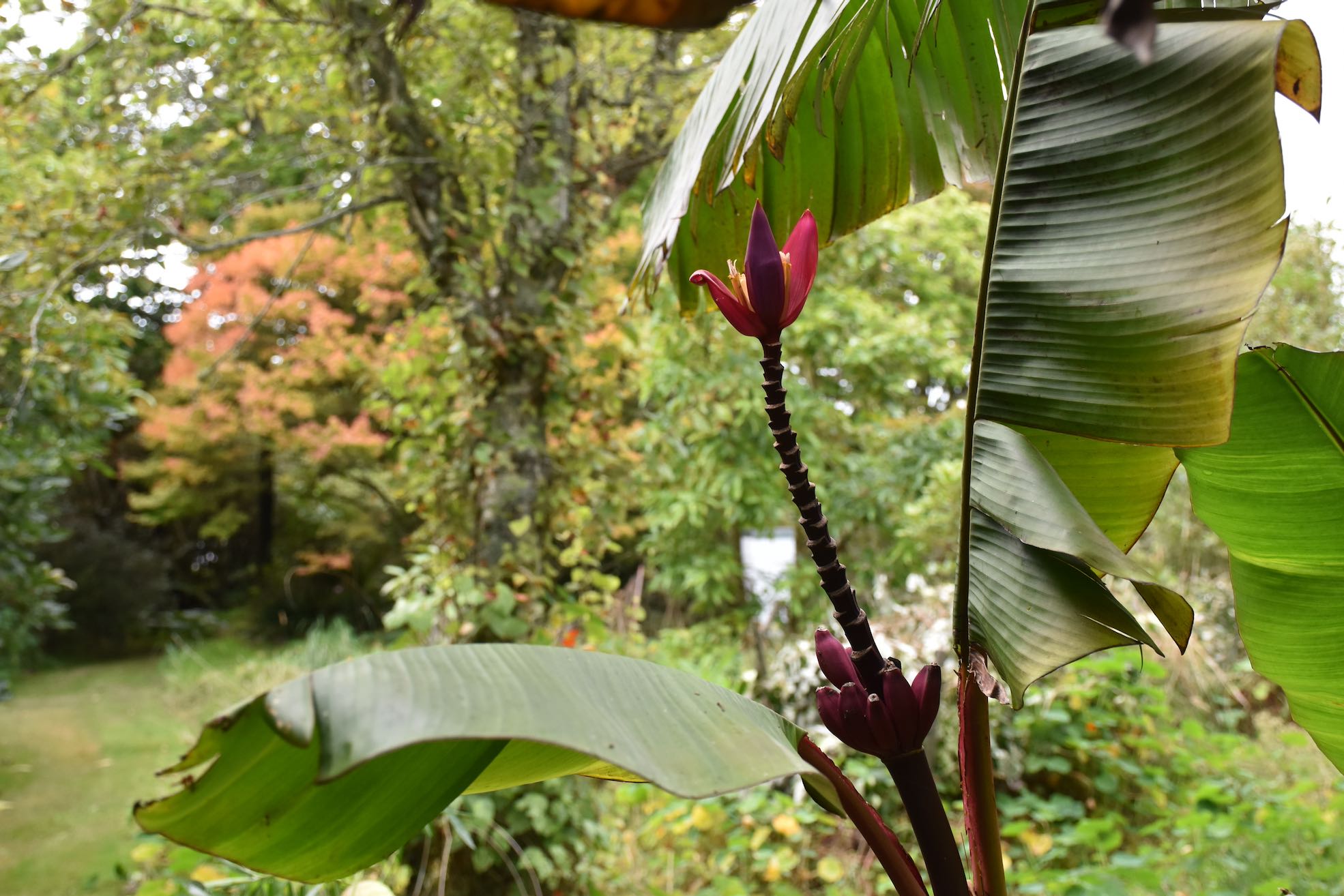
The fertile volcanic loam supports an extensive food forest. Lisa has curated diverse guilds including plums, peaches, apples, and figs, alongside more unusual specimens like custard apple and a vanilla bean tree. The productive areas also feature mature walnuts, chestnuts, and younger macadamias. While these guilds began with precise research, they have evolved into a self-seeding, low-intervention system designed to support beneficial insects rather than adhering to a rigid aesthetic.
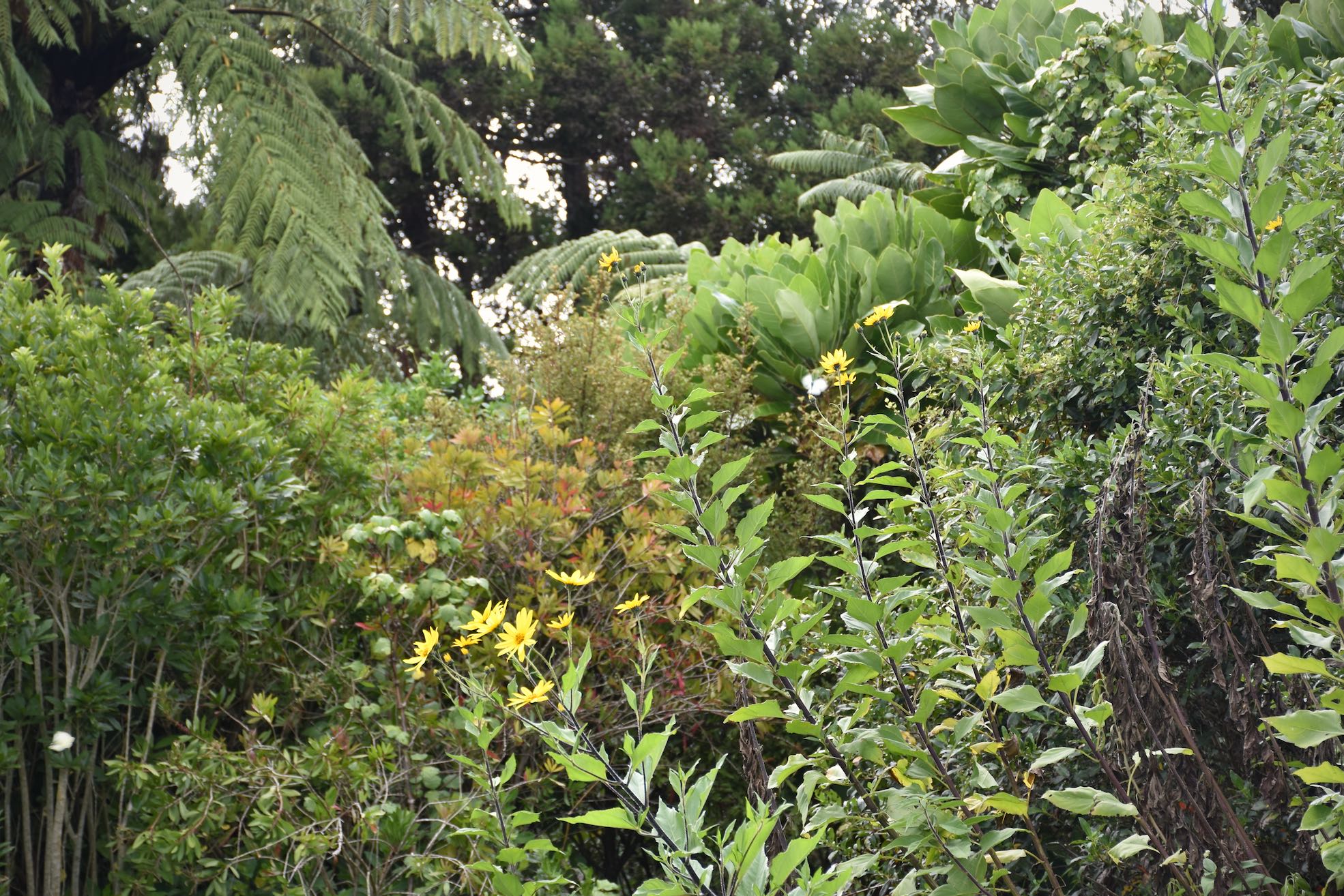
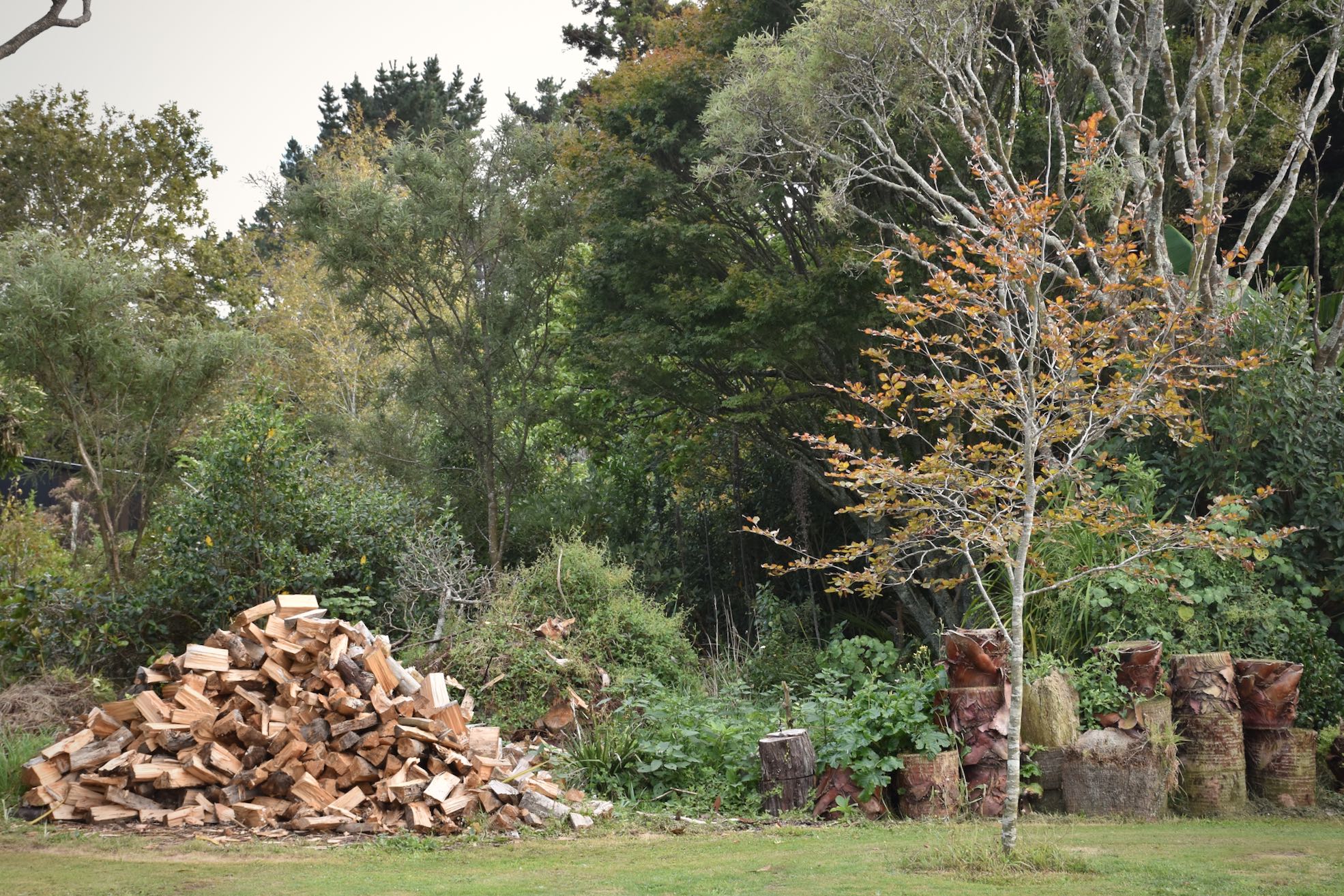
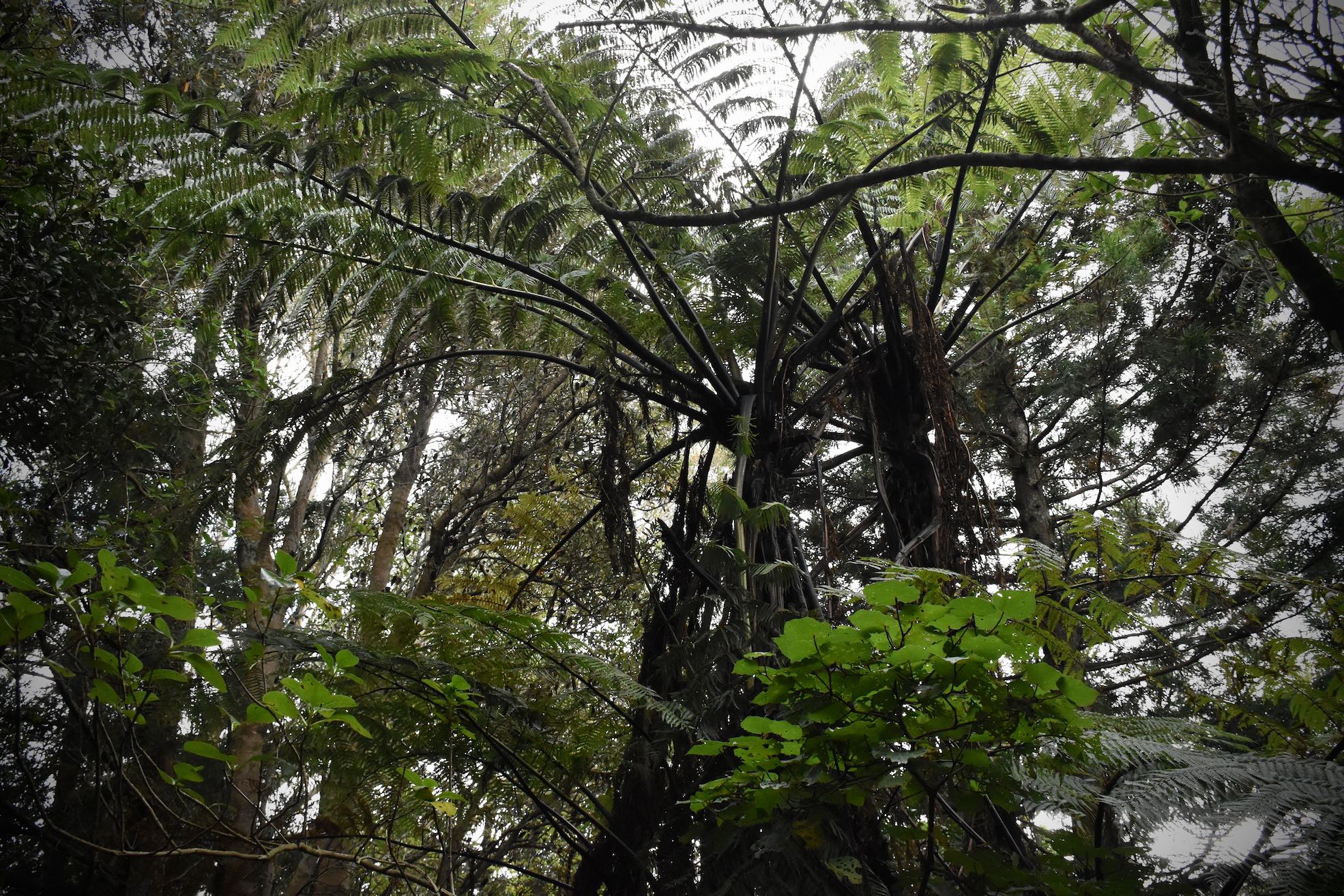
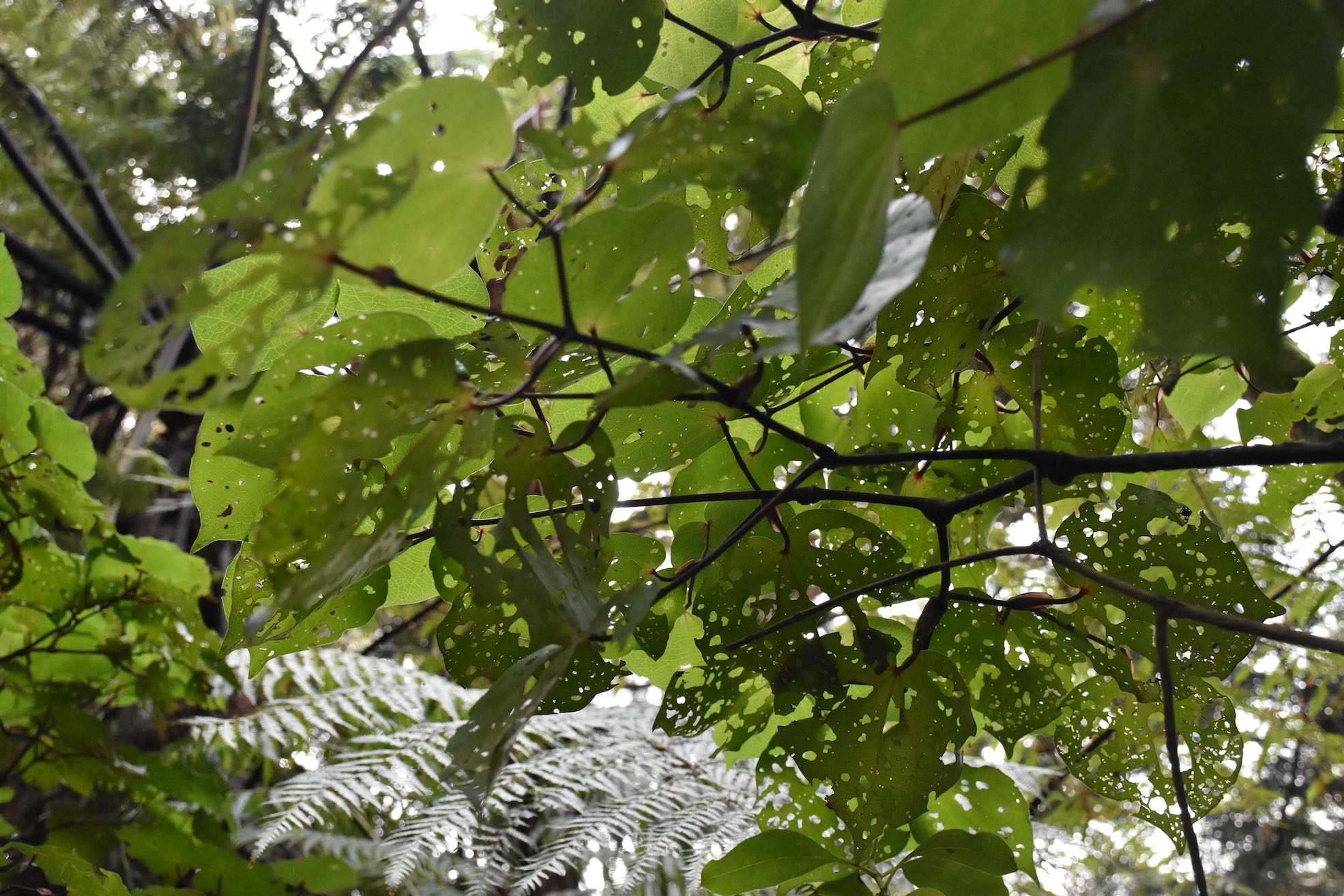
Beyond the food forest lies a significant area of native bush. Of note are the ancient Pukatea and Karaka trees; visitors can observe the Pukatea’s distinctive buttress roots—large, plank-like structures that provide stability in the damp gully soil.
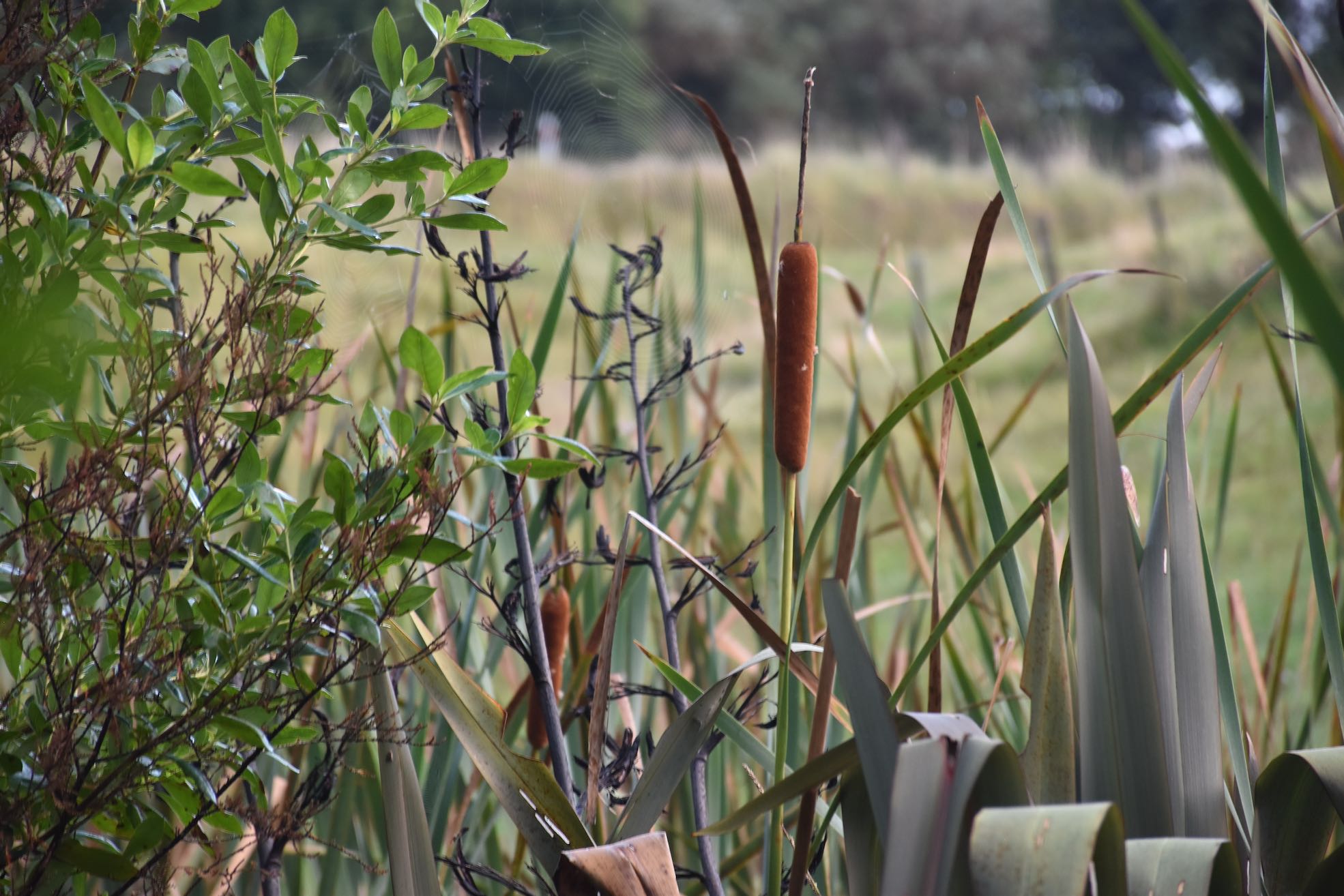
A formerly boggy buttercup paddock has been restored into a thriving wetland habitat. Planted with flaxes, cabbage trees, and Swamp Cypress, this area forms a vital corridor for local birdlife, including the property’s namesake, the Kererū, as well as Tui and Piwakawaka.
For those interested in soil health, ecological restoration and food security, Kererū Creek offers a practical, unpretentious example of a productive and self-sustaining ecosystem.
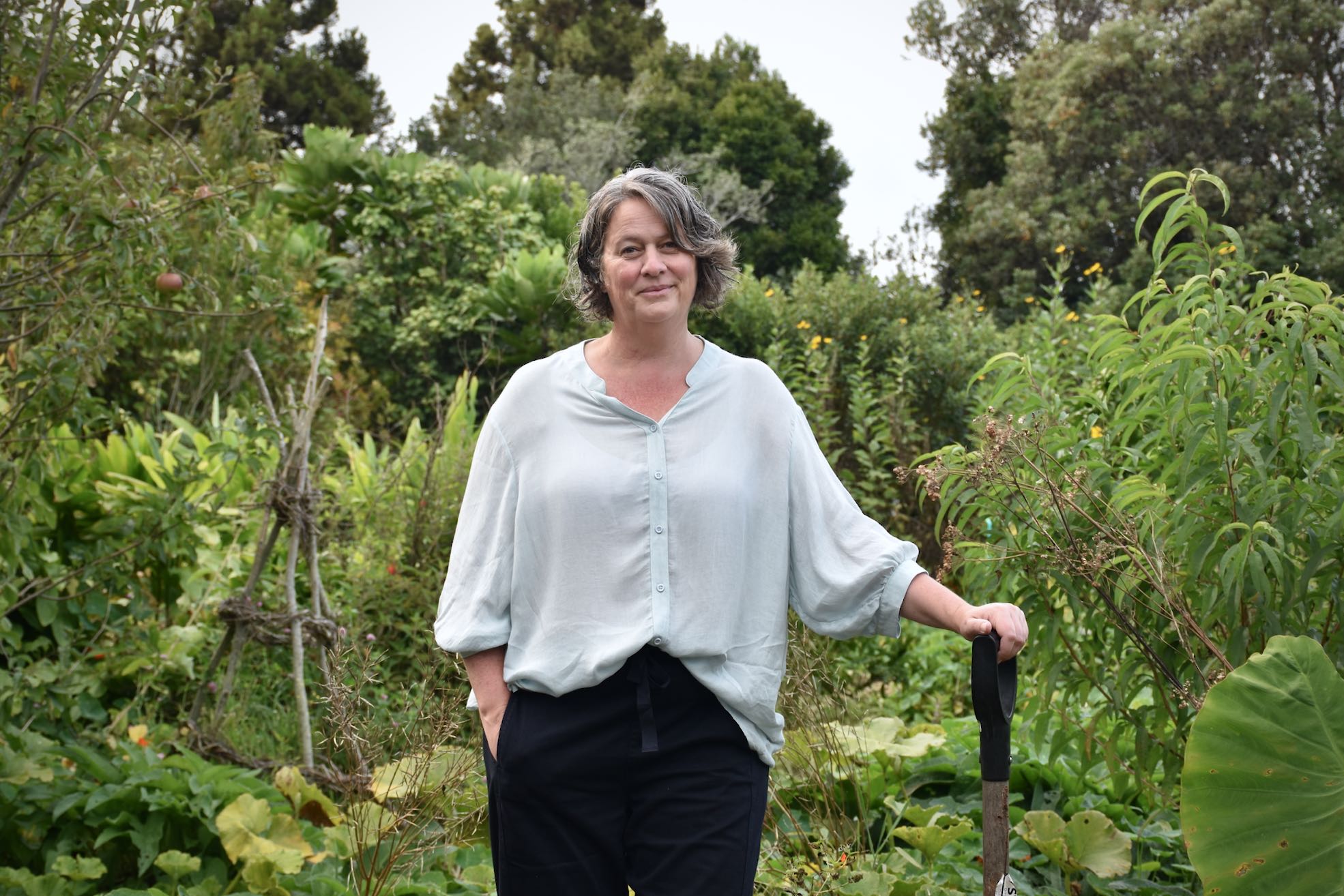
Lisa and Tom’s stewardship of Kererū Creek is informed by a combination of formal training and a practical commitment to environmentalism.
Lisa holds a Level 4 certificate in Organic Horticulture and a Permaculture Design Certificate, with her primary interest lying in building "life underground"—focusing on soil health to create nutrient-dense food systems.
Tom’s perspective is shaped by his career as a qualified arborist. His professional understanding of canopy health and tree physiology ensures that the property’s large specimen trees are managed with a light touch, providing the necessary space and conditions for them to thrive with minimal human intervention.
Their shared philosophy was solidified during a six-month journey through Africa, where witnessing the impacts of industrial agriculture prompted a move toward a more connected, sustainable way of living. At Kererū Creek, they view their work as an ongoing experiment in biodiversity. They enjoy sharing the practicalities of their journey—including the inevitable learning curves—with fellow gardeners interested in food forests and ecological resilience.
Gardening is the ultimate symbol of positivity and hope. When you put a plant in the ground, you are making a quiet promise to the future.
Tataraimaka, New Zealand